
CHGB · Partner-reported service scope
Gut Microbiome Profiling
Comprehensive analysis of gut microbial structure at phylum and genus level, covering immunity, nutrient metabolism, short-chain fatty acid synthesis, toxin degradation and allergy risk.
- Partner-reported scope
- 200+ assessment items
- Method
- 16S rRNA · metagenomic sequencing

CHGB · Partner-reported
Service capabilities
The following scope is reported by the partner. Quantities describe the partner portfolio and do not represent VectorGene’s own track record.
- Phylum and genus composition
- Gut immunity assessment
- Nutrient metabolism capacity
- SCFA synthesis capacity
- Toxin degradation capacity
- Allergy and disease risk association
Explore services in this category.
Read each service’s complete scope and regulatory note. These links help you explore the portfolio; programme-specific suitability requires feasibility assessment.
A profile needs a transparent interpretation boundary.
Microbiome profiling can support a defined research question, but a report also needs to explain what its measurements can establish. Institutions should review collection, methods, comparison populations and clinical context before accepting interpretations or proposed actions linked to a profile.
The international microbiome-testing consensus identifies limited evidence for clinical usefulness and calls for clear indications, validated methods and transparent reporting. A descriptive microbiome profile should be distinguished from a proven clinical decision tool.
Porcari and colleagues · The Lancet Gastroenterology & Hepatology: International consensus statement on microbiome testing in clinical practiceExternal references explain the wider context. They do not verify or endorse the supplied VectorGene or partner offering.
Questions for the programme brief
What is the proposed use?
Define the research or clinical question and the evidence needed to justify any interpretation.
How is a comparison made?
Request sequencing methods, analysis versions, reference-cohort information and relevant collection or medication metadata.
What will the report say?
Agree transparent limitations, qualified review and how descriptive findings are distinguished from validated clinical recommendations.
What to prepare for review
- Use-case and reporting brief
- Collection and analysis specifications
- Evidence for each proposed clinical interpretation
Working environments
Sampling and microbial analysis tools.
Illustrative stock photography provides context for the people, processes and working environments behind this capability.
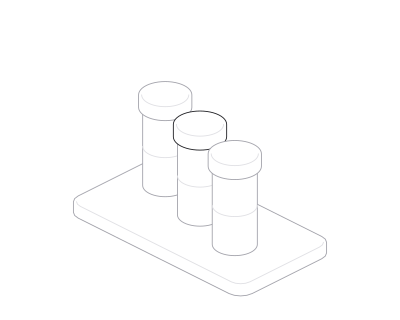
Each vial highlights one planning question. The drawing is an illustrative object.
- Sample
- How are collection conditions and clinical context recorded?
- Method
- Which sequencing approach and reference cohort are used?
- Interpretation
- What conclusions can the evidence support?


