
CHGB · Partner-reported service scope
Pathogen Detection (mNGS & tNGS)
Metagenomic and targeted next-generation sequencing for infectious disease, covering over 30,000 microorganisms and more than 2,000 antimicrobial resistance genes.
- Partner-reported scope
- 30,000+ microorganisms
- Method
- mNGS · tNGS · nanopore

CHGB · Partner-reported
Service capabilities
The following scope is reported by the partner. Quantities describe the partner portfolio and do not represent VectorGene’s own track record.
- Infection mNGS (DNA+RNA)
- 14,000+ bacteria, 7,100+ DNA viruses, 5,000+ RNA viruses, 1,300+ fungi, 200+ parasites.
- Nanopore sequencing series
- 28,000+ microorganisms via metagenomics and targeted detection.
- Targeted NGS (tNGS)
- Faster turnaround for known pathogens.
- Antimicrobial resistance profiling
- 2,000+ resistance genes.
Choose the method around the investigation.
Broad and targeted sequencing approaches need an agreed specimen and investigation scope. Programme planning should cover sample handling, laboratory controls, analysis versions and specialist reporting. Define how this service would sit alongside the institution’s existing microbiology and infectious-disease workflow.
CDC’s NGS Quality Initiative provides a sequencing-focused quality-management framework for clinical and public-health laboratories. Its resources address the system around a test, as well as the testing workflow.
CDC: The Next Generation Sequencing Quality InitiativeExternal references explain the wider context. They do not verify or endorse the supplied VectorGene or partner offering.
Questions for the programme brief
What is the investigation scope?
Specify specimen types, target organisms or broad-detection objectives, and the existing tests the result would complement.
How is the workflow controlled?
Request contamination controls, validation evidence, database versions and rules for repeating or rejecting a run.
Who interprets a finding?
Agree clinical microbiology review, urgent communication and the handling of uncertain or unexpected signals.
What to prepare for review
- Specimen and investigation brief
- Current microbiology workflow
- Validation, interpretation and escalation requirements
Working environments
Molecular testing and sequencing preparation.
Illustrative stock photography provides context for the people, processes and working environments behind this capability.
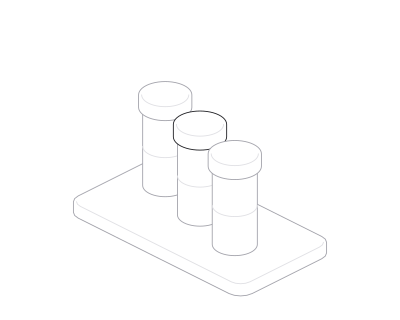
Each vial highlights one planning question. The drawing is an illustrative object.
- Sample
- What specimen and clinical question are being investigated?
- Method
- How are contamination controls and database versions recorded?
- Interpretation
- Who distinguishes a relevant finding from background signal?


