

Capabilities to transfer
Workflows, expertise and systems designed around your local institution.
- NK cell therapy
- Autologous and allogeneic approaches.
- CIK & DC-CIK
- Cytokine-induced killer cell platforms.
- TIL therapy
- Tumour-infiltrating lymphocyte expansion.
- Gamma delta T cells
- Non-conventional T cell platforms.
- NKT cell therapy
- Natural killer T cell approaches.
- Stem cell platforms
- Mesenchymal and haematopoietic applications.
- Exosomes
- Extracellular vesicle research platforms.
- Patient-derived organoids
- Drug screening and response prediction.
What does your institution need first?
Begin with your existing infrastructure, clinical governance and local regulatory pathway. Feasibility establishes the programme requirements.
Discussion preparation
Your institutional baseline
Use these prerequisites to prepare a discussion. This checklist is not a clinical assessment or a determination of regulatory readiness.
0 of 3discussion prerequisites identified.
Explore related partner services.
Read each service’s complete scope and regulatory note. These links help you explore the portfolio; programme-specific suitability requires feasibility assessment.
Define the cell product before the facility.
Cell therapy covers diverse source materials, processes and proposed uses. An institution should establish which programme it is evaluating and which activities are research, clinical development or permitted care. This gives facility, staffing and documentation discussions a concrete boundary.
FDA regulates cellular and gene therapy products and maintains a list of specific approved products. A technology category or manufacturing capability should therefore be assessed separately from the status of a particular product.
FDA: Cellular & Gene Therapy ProductsExternal references explain the wider context. They do not verify or endorse the supplied VectorGene or partner offering.
Questions for the programme brief
What is being produced?
Describe the cell source, manipulation, proposed use and product-specific evidence that the programme will rely on.
What is the local pathway?
Identify the relevant authority, ethics review and requirements for the proposed activities and institution.
What must transfer successfully?
Agree which methods, training, quality records and supply arrangements are included, and how readiness will be assessed.
What to prepare for review
- Product and intended-use description
- Local regulatory and ethics questions
- Proposed process and transfer deliverables
Working environments
The cell processing environment.
Illustrative stock photography provides context for the people, processes and working environments behind this capability.
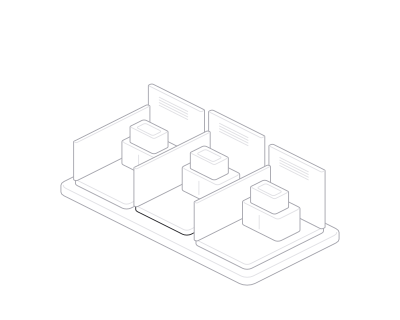
Explore three cutaway laboratory rooms with workbenches and air-handling panels. This is an illustrative object, not a facility specification.
- Product
- Describe the cell source, manipulation, proposed use and product-specific evidence that the programme will rely on.
- Pathway
- Identify the relevant authority, ethics review and requirements for the proposed activities and institution.
- Transfer
- Agree which methods, training, quality records and supply arrangements are included, and how readiness will be assessed.


