
Technology transfer
From knowledge to local capability.
Proprietary viral vectors cannot be exported. VectorGene's approach enables local production through plasmid transfer.
VectorGene’s supplied pathway rationale. Confirm material rights, transport requirements and local permissions for the specific programme.

What it means
Measured by what keeps operating.
Technology transfer means moving scientific platforms, laboratory workflows, SOPs, training, quality systems and clinical implementation models from a technology source to a local institution, so the technology can be validated, regulated and used locally.
It is a multi-month and sometimes multi-year engagement. Success is measured not by what is delivered, but by what continues operating after the project team leaves.
Access
Local programmes can reduce the travel, visa and logistics burden on patients, which matters most in time-sensitive oncology care.
Capability
Each programme builds lasting local expertise: trained scientists, validated workflows and regulatory familiarity that later programmes can build on.
Sovereignty
Health systems gain more control over critical advanced-therapy infrastructure and depend less on overseas supply chains.
Plasmid transfer
A local production pathway.
Knowledge, training and infrastructure.
Transferred knowledge must outlive the project team. Local capacity connects the technology source to trained teams, quality systems and the host country’s regulatory framework.
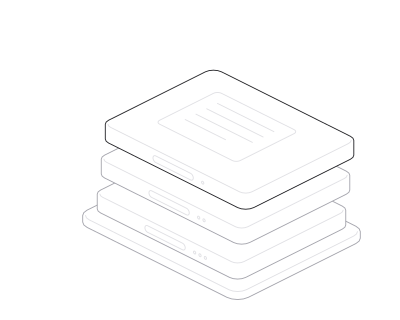
Choose a foundation to connect the illustration with the programme responsibilities below.
- Knowledge
- SOPs, batch records, QC and release testing.
- Training
- Laboratory, clinical, regulatory and quality personnel.
- Infrastructure
- Facility planning, equipment specification and GMP design.
Review question: who will own the documents, demonstrate team competence and maintain facility readiness after transfer?
Knowledge into practice
The local production pathway
Plasmids manufactured under controlled conditions at the partner facility.
Partner facilityPlasmids shipped to the destination country following applicable regulatory protocols.
International transportFermentation performed at the local GMP facility.
Local GMP facilityViral vectors purified on-site to clinical-grade specifications.
Local GMP facilityTarget cells transfected using the locally produced vector.
Local facility
Implementation roadmap
A structured path to operation.
- 01
Feasibility assessment
Disease burden analysis, regulatory landscape review, infrastructure audit and commercial feasibility before any commitments are made.
- 02
Partner selection
Match the right technology source to the local context — specific NGS platform, CAR-T manufacturing partner or gene therapy programme.
- 03
MoU & agreement
Scope, responsibilities, timelines, IP framework, training plan, regulatory ownership and commercial structure documented and signed.
- 04
Facility & workflow design
GMP cleanroom layout, equipment specification, consumables planning, SOP development, batch records and quality system architecture.
- 05
Training & pilot validation
On-site and partner-site training of laboratory, clinical, regulatory and quality personnel; validation runs; pilot patient cohorts where legally permitted.
- 06
Scale-up & commercialisation
Routine clinical service launch, regulatory clearance, reimbursement strategy, ongoing quality oversight and regional expansion planning.
All six typical platform timelines
- Genomics & NGS Testing: 6–12 months
- CAR-T Manufacturing: 12–24 months
- Advanced Cell Therapy: 12–24 months
- Hemoglobinopathy Gene Therapy: 18–36 months
- Pathogen & Microbiome Sequencing: 6–12 months
- Stem Cells & Organoids: 6–18 months
Transfer scope
Twenty-one practical deliverables.
The scope is agreed around the platform and the institution’s baseline.
Feasibility
- Feasibility assessment report
- Partner selection support
- MoU and term sheet drafting
Design
- Facility layout planning
- Equipment specification
- Cleanroom & GMP design
- SOP development
- Wet lab workflow transfer
- Bioinformatics pipeline transfer
Validation
- Quality assurance framework
- External quality assessment
- Batch record templates
- Release testing protocols
- Staff training programmes
- Competency assessments
- Regulatory documentation
- Ethics submission support
Launch & stewardship
- Commercial launch strategy
- Physician education
- Adverse event frameworks
- Long-term follow-up planning
Regulatory and quality support
Local ownership. Documented support.
VectorGene supports documentation, technical files, evidence packages and submission preparation. Formal approval and ownership of the dossier remain with the local institution.
- Regulatory pathway planning
- Ethics & clinical trial documentation
- GMP facility & cleanroom planning
- SOP & batch record development
- QC & release testing framework
- Patient eligibility & workflow
- Adverse event reporting framework
- Long-term follow-up planning
Commercial engagement
Demonstrate feasibility first, then quote.
01
Feasibility
Demonstrate technical viability and establish proof of concept.
02
Process design
Define the cooperation process, workflows and operational framework.
03
Cost assessment
Evaluate input costs, resource needs and investment requirements.
04
Final quotation
Deliver comprehensive pricing and contractual terms.
Commercial models
- LicensingTechnology licensed for direct local use.
- Technical service contractsA time-bound implementation services agreement.
- Joint venturesA shared-equity entity for long-term programmes.
- Reference-lab partnershipsA hub-and-spoke genomics service network.
- Training contractsCapability building only, with no IP transfer.
- Government-supported programmesImplementation within a public health programme.
- Revenue-shareA performance-linked commercial structure.
- Co-developmentJoint clinical and commercial development.
The first steps
- 01Sign an NDA
- 02Confirm the regulatory pathway with local authorities
- 03Site assessment of the facility
- 04Identify the local technical team
- 05Feasibility demonstration
- 06Draft cooperation framework agreement
Practical questions
A clearer starting point.
How long does a typical technology transfer take?
It depends on the platform and infrastructure baseline. A genomics reference laboratory can be operational in 6–12 months. A CAR-T manufacturing programme typically requires 12–24 months from MoU to first clinical use. Gene therapy programmes may take 18–36 months because of regulatory complexity. The feasibility phase clarifies realistic timelines for your specific context.
Does VectorGene handle the regulatory approvals directly?
No. Regulatory approval is the responsibility of the local partner and is conducted through the national regulatory authority of the host country. VectorGene supports the documentation, technical files, evidence packages and submission preparation — but the formal application and ownership of the regulatory dossier remain with the local institution.
What level of infrastructure does our institution need before starting?
This is exactly what the feasibility assessment addresses. For NGS, an existing molecular pathology lab is helpful but not essential. For CAR-T, a tertiary hospital with active oncology and transplant programmes is typically the starting point. For gene therapy, haematology and BMT capability are usually required. Programmes are designed around the existing baseline.
Can VectorGene support compassionate access or early clinical use?
Where the local regulatory framework permits compassionate use, named-patient access or expanded access programmes, VectorGene can help structure the clinical and ethical pathway. This is country-specific and protocol-specific, and always requires institutional ethics approval and informed consent.
What are the typical commercial models?
VectorGene works across licensing, technical service contracts, joint ventures, reference lab partnerships, training contracts, government-supported programmes, revenue-share and co-development arrangements. The right model depends on programme scope, IP considerations, regulatory environment and the capability of the local partner.
How do we start a discussion?
Submit a partnership enquiry through our Partner With Us form. Tell us about your institution, the technology area you are exploring and your project context. Our team will review and propose a structured next step — typically a feasibility scoping conversation.
Make every handover reviewable.
The five-stage production pathway and the six-stage implementation roadmap describe different parts of the programme: how materials move through production, and how institutional capability is established. Review the interfaces between them, including rights, responsibilities, quality records and local approvals.
WIPO distinguishes IP licences, know-how arrangements, material transfers and research collaborations. Agreements need to reflect the particular technology, permitted uses and responsibilities rather than rely on a universal contract.
WIPO: Technology Transfer AgreementsWHO’s laboratory quality handbook addresses management, administration and bench work together. It provides a foundation for organising a laboratory’s quality system; current accreditation requirements need to be checked separately.
WHO: Laboratory quality management system: handbookExternal references explain the wider context. They do not verify or endorse the supplied VectorGene or partner offering.
Questions for the programme brief
Rights and permitted use
Clarify access to materials and know-how, territory, field of use and the activities the agreement permits.
Acceptance and evidence
Agree what demonstrates that a method, document set or trained team has transferred successfully.
Continuing ownership
Map responsibility for updates, supply changes, quality records and local regulatory submissions.
What to prepare for review
- Material and know-how scope
- Responsibility and acceptance matrix
- Local approval and operating baseline
Working environments
From the laboratory to local infrastructure.
Illustrative stock photography provides context for the people, processes and working environments behind this capability.


